A Tale of Quiet Strength and Un-Expectations: Rajlaxmi Katikala’s Winter Journey Through Spiti Valley with Thrillophilia

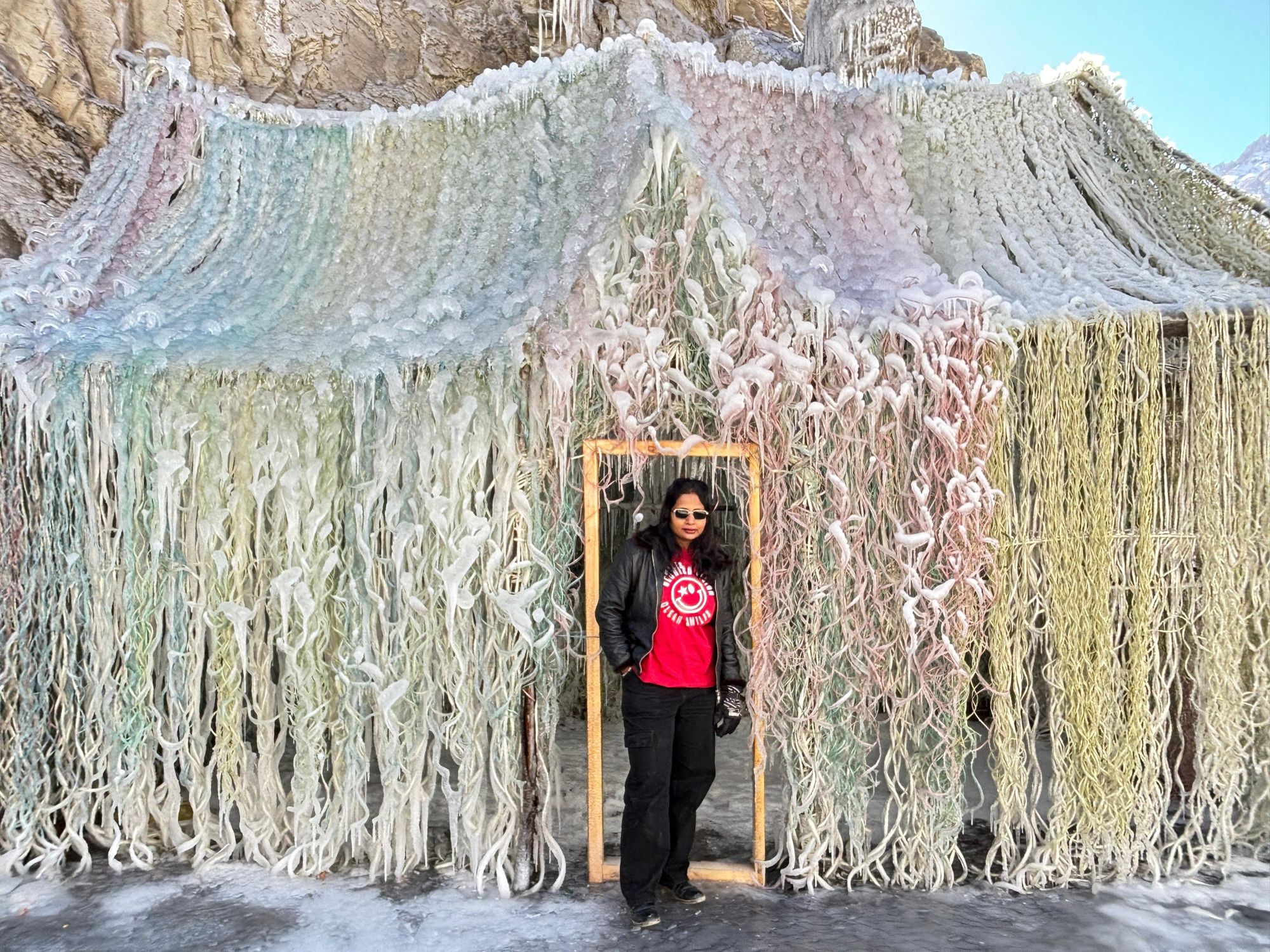
Some journeys are loud with excitement. Others arrive softly, settling into you without announcement. For Rajlaxmi Katikala, this winter journey through Spiti Valley was neither about chasing thrills nor about ticking destinations off a list. It was about observing how landscapes change people, gently, without demanding anything in return.
Travelling with three companions, Rajlaxmi set out on an eight-day private winter tour of Spiti Valley with Thrillophilia. Winter was not the obvious choice. Snow had already begun to settle, roads were unpredictable, and comforts would be limited. But that uncertainty was precisely what made the journey meaningful. There were no expectations of perfection. Only curiosity.
When the Mountains Begin to Speak: Chandigarh to Narkanda
The journey began in Chandigarh, where city rhythms slowly gave way to winding mountain roads. As the Ertiga climbed toward Narkanda, the Shivalik foothills unfolded gently, wrapped in pine and deodar forests. The air changed first, cooler and sharper, and then the silence followed.
Narkanda welcomed the group with apple orchards and distant snow-capped peaks. There was no rush to explore. That evening was spent settling in, watching mist rise from the valleys, and quietly acknowledging that this was the start of something different. Winter travel demands patience, and Narkanda seemed to teach that lesson early.
Chitkul: Where Roads End and Stillness Begins
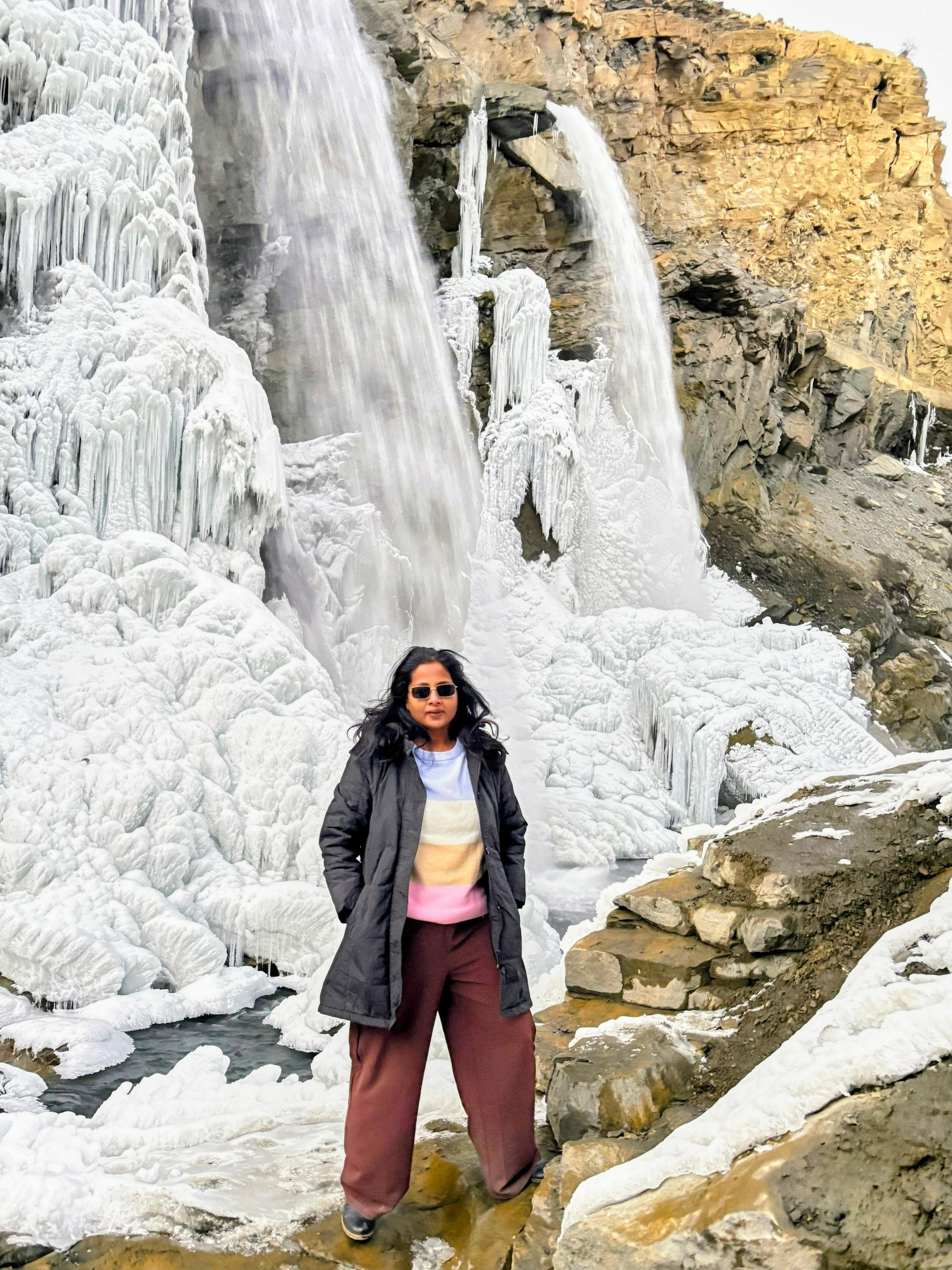
From Narkanda, the road to Chitkul felt narrower and more intimate. Crossing the Karcham Sangam Bridge, where the Sutlej meets the Baspa, marked a visible shift in terrain and mindset. The Kinnaur Valley unfolded in layers, wooden homes clinging to slopes, prayer flags fluttering in the cold wind.
Chitkul, often described as the last inhabited village near the Indo-Tibetan border, felt suspended in time. Snow dusted rooftops and fields, and silence lingered longer than conversation. For Rajlaxmi, this was not a place to do anything but a place to simply be. The night was cold, but the warmth of shared meals and quiet laughter inside the camp made it deeply comforting.
Nako: The First True Pause
The journey into Spiti truly announced itself on the drive to Nako. Passing through Reckong Peo, the towering presence of the Kinner Kailash range felt humbling. The stop at Khab, where the Sutlej and Spiti rivers merge, was brief but powerful. It was not dramatic, just deeply grounding, as if marking a threshold.
Nako felt like a storybook village. The frozen lake mirrored the surrounding peaks, willow and poplar trees standing still in the cold air. Walking around Nako Lake and visiting the monastery felt less like sightseeing and more like listening. In winter, Spiti does not reveal itself easily. It asks you to slow down.
Into the Heart of Spiti: Tabo, Gue, and Kaza
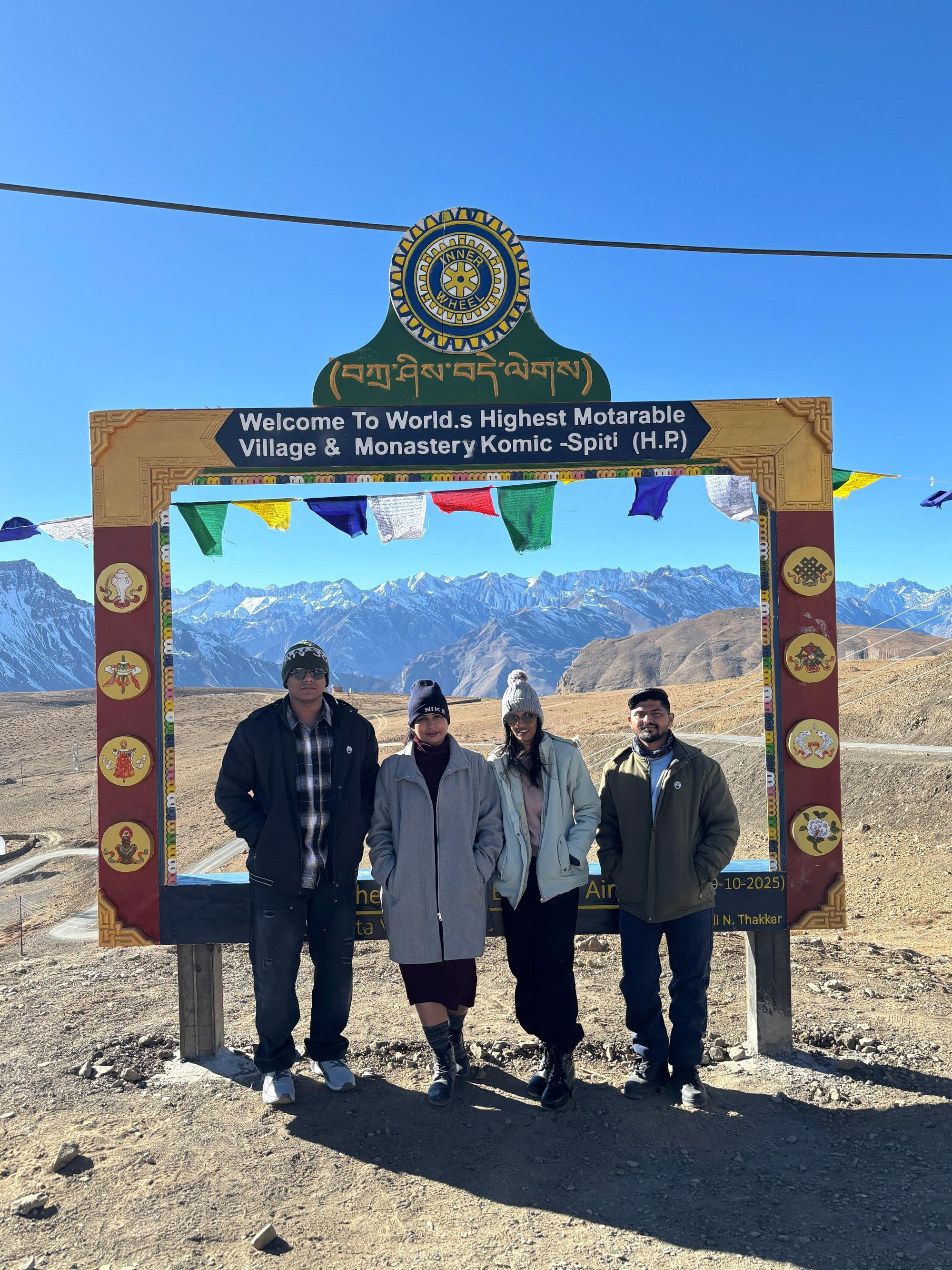
The road from Nako to Kaza was where winter travel truly made its presence known. Smooth stretches gave way to rugged paths, and every stop felt earned. At Gue Monastery, standing before the centuries-old mummy of a Buddhist lama was quietly unsettling and deeply fascinating, a reminder of time moving differently in the mountains.
Tabo Monastery followed, its ancient murals and weathered walls earning its title as the ‘Ajanta of the Himalayas’. There was no crowd, no noise. Just history, preserved in stillness. Dhankar Village came next, dramatically perched above the confluence of the Spiti and Pin rivers, its monastery clinging to the cliffs as if defying gravity and time alike.
Arriving in Kaza felt like reaching the heart of the valley. Despite being the largest settlement in Spiti, it retained a calmness that cities often forget. The two-night stay allowed the group to rest and acclimatise, something winter travellers quickly learn to value.
High Villages and Higher Perspectives
The following day unfolded slowly around Kaza. Key Monastery stood tall, its whitewashed structure layered like steps into the sky. Inside, painted rooms and prayer halls spoke of discipline, resilience, and faith shaped by altitude.
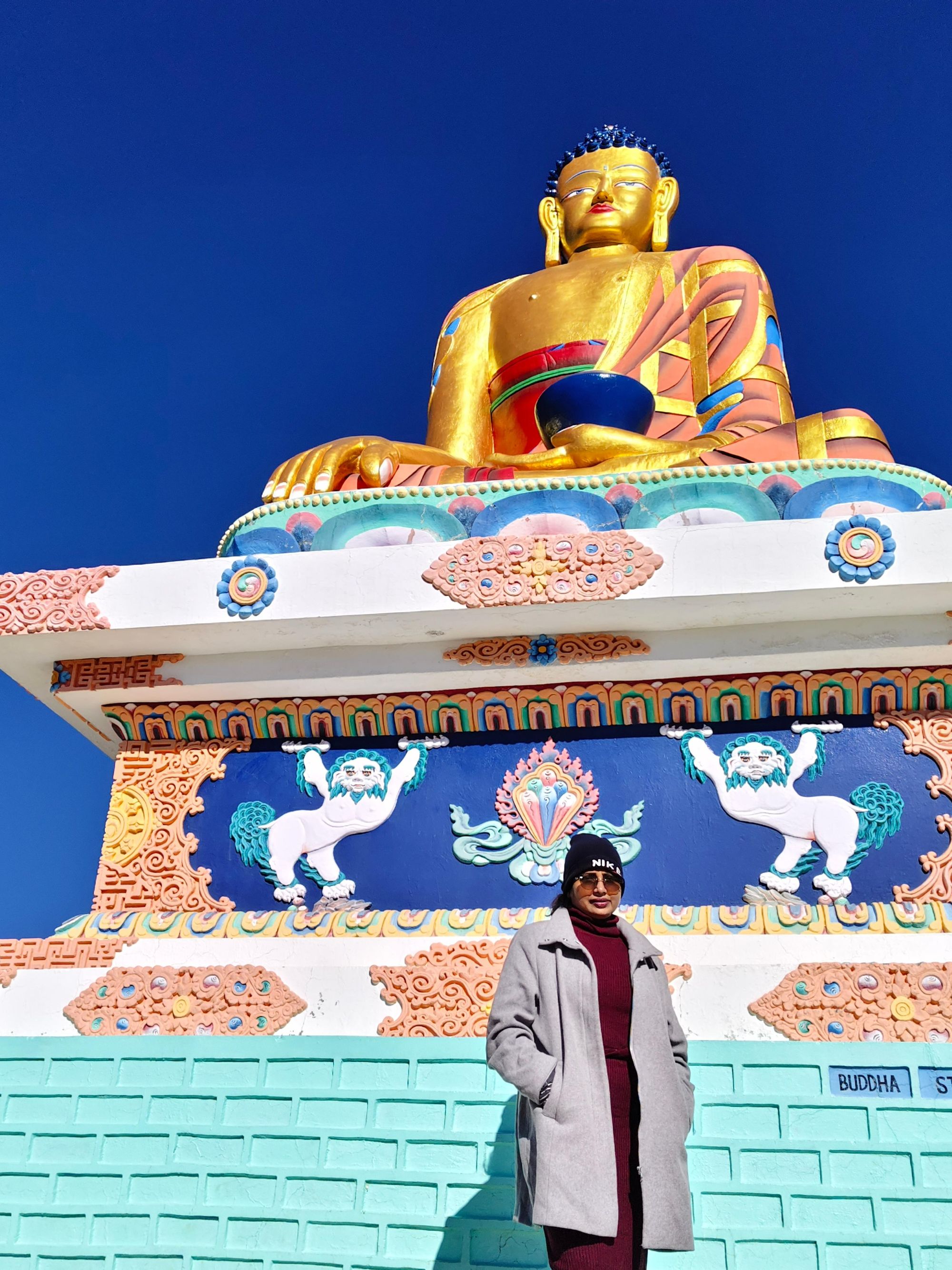
Langza followed, where a giant Buddha statue watched over fossil-rich land, and the vastness of the valley made conversations instinctively quieter. In Hikkim, sending a postcard from the world’s highest post office felt symbolic, a message sent from isolation to the rest of the world. Komik, one of Asia’s highest villages, offered views that felt almost unreal, stark, expansive, and deeply peaceful.
Kalpa: A Return to Green and Contrast
Leaving Spiti behind, the road toward Kalpa felt like a gradual re-entry into colour. Stopping again at Dhankar and travelling along the Sutlej near Puh, the landscape slowly softened. Reckong Peo reappeared, offering uninterrupted views of the Kinner Kailash peak.
Kalpa arrived quietly. Set against towering mountains, the village felt balanced, not harsh like Spiti, not busy like towns below. That night, windows framed snow-lit peaks, and silence once again became the dominant sound.
Shimla and the Gentle Goodbye
The drive to Shimla felt almost surreal after days of rugged terrain. Roads smoothed out, structures multiplied, and human presence became more obvious. Shimla was familiar, yet after Spiti, it felt louder.
The final journey back to Chandigarh carried a different weight. There was no urgency to reach home, only reflections on how winter had reshaped the experience. This was not a trip defined by comfort, but by care.
What Stayed Behind
For Rajlaxmi Katikala, this Spiti winter journey was not about overcoming challenges, but about accepting them. Thrillophilia’s planning ensured reliable transfers, comfortable stays given the terrain, and a thoughtfully paced itinerary that respected both altitude and weather.
Winter in Spiti does not entertain. It teaches. And this journey, shaped by cold mornings, silent valleys, and resilient roads, became a reminder that sometimes, the most meaningful travel experiences are the ones that arrive without expectations and leave you quietly changed.
Read More: Thrillophilia Spiti Reviews